
Spaghetti
A balanced long strand for sauces that form a continuous coating, from tomato and olive oil to carbonara and clam liquor.
- Works well with
- Tomato sauces, aglio e olio, carbonara, seafood
Pasta Bible shape guide
Length affects how pasta moves through a sauce. Ridges create grip. Tubes and cups capture pieces. Thickness changes both cooking time and the final bite.
Explore fifteen familiar shapes. Compare their structure and cooking behaviour before choosing a sauce or dish.
Fifteen shapes to know
Open a guide for form, pairings, comparisons, and shape-specific cooking advice.
A balanced long strand for sauces that form a continuous coating, from tomato and olive oil to carbonara and clam liquor.
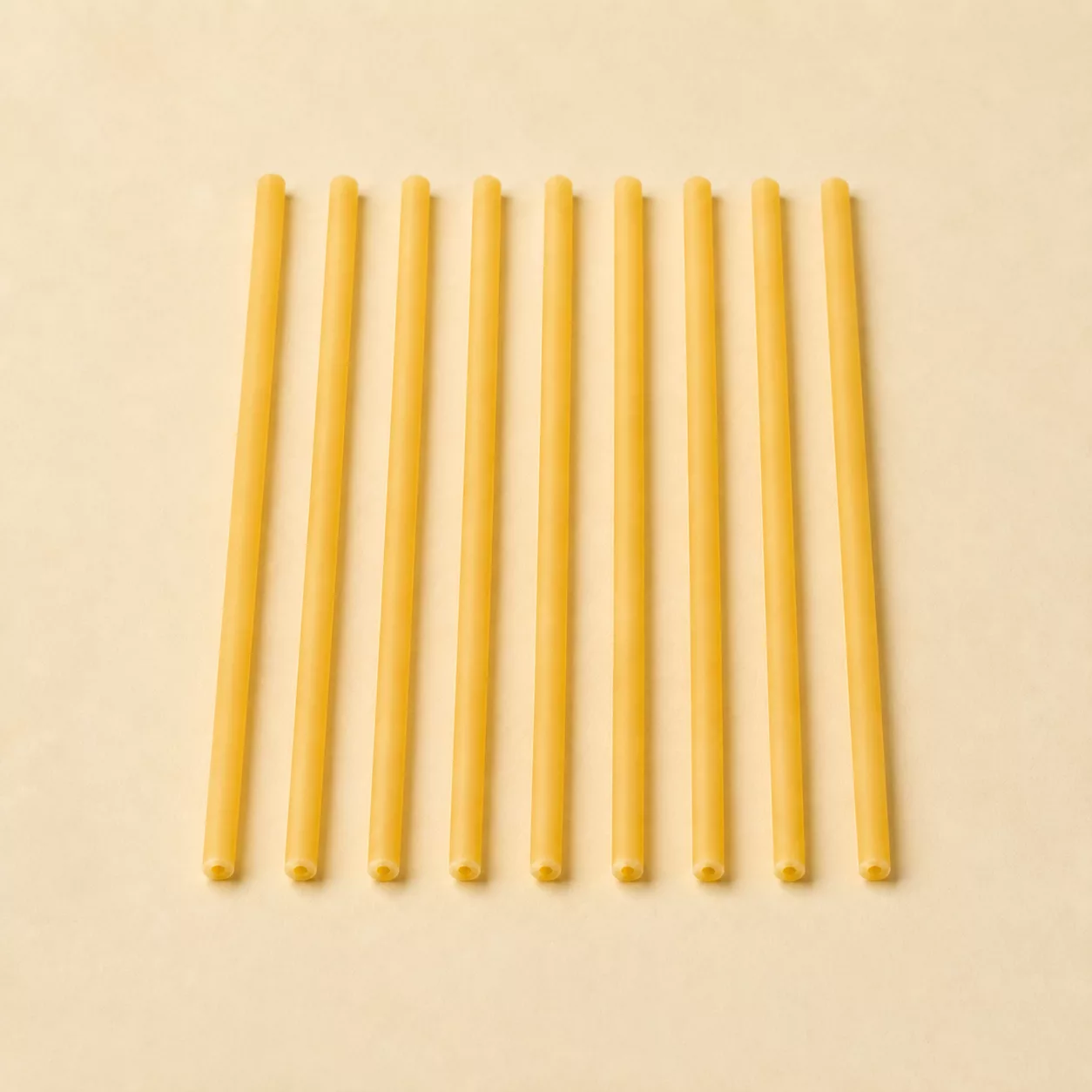
A thick, spaghetti-like strand pierced from end to end, with enough bite for assertive Roman and Lazio sauces.
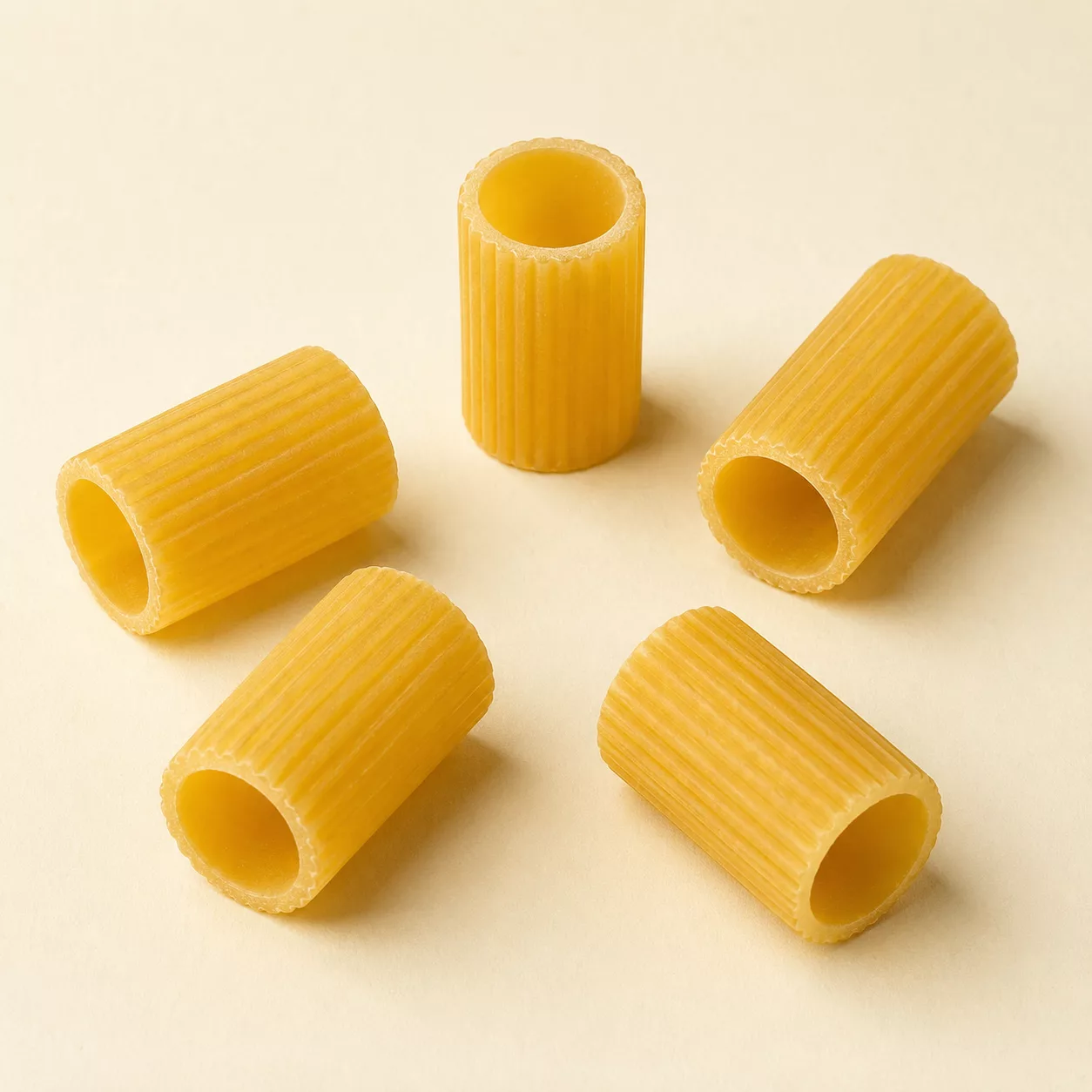
A wide, sturdy tube that catches sauce outside, inside, and around its square-cut ends.
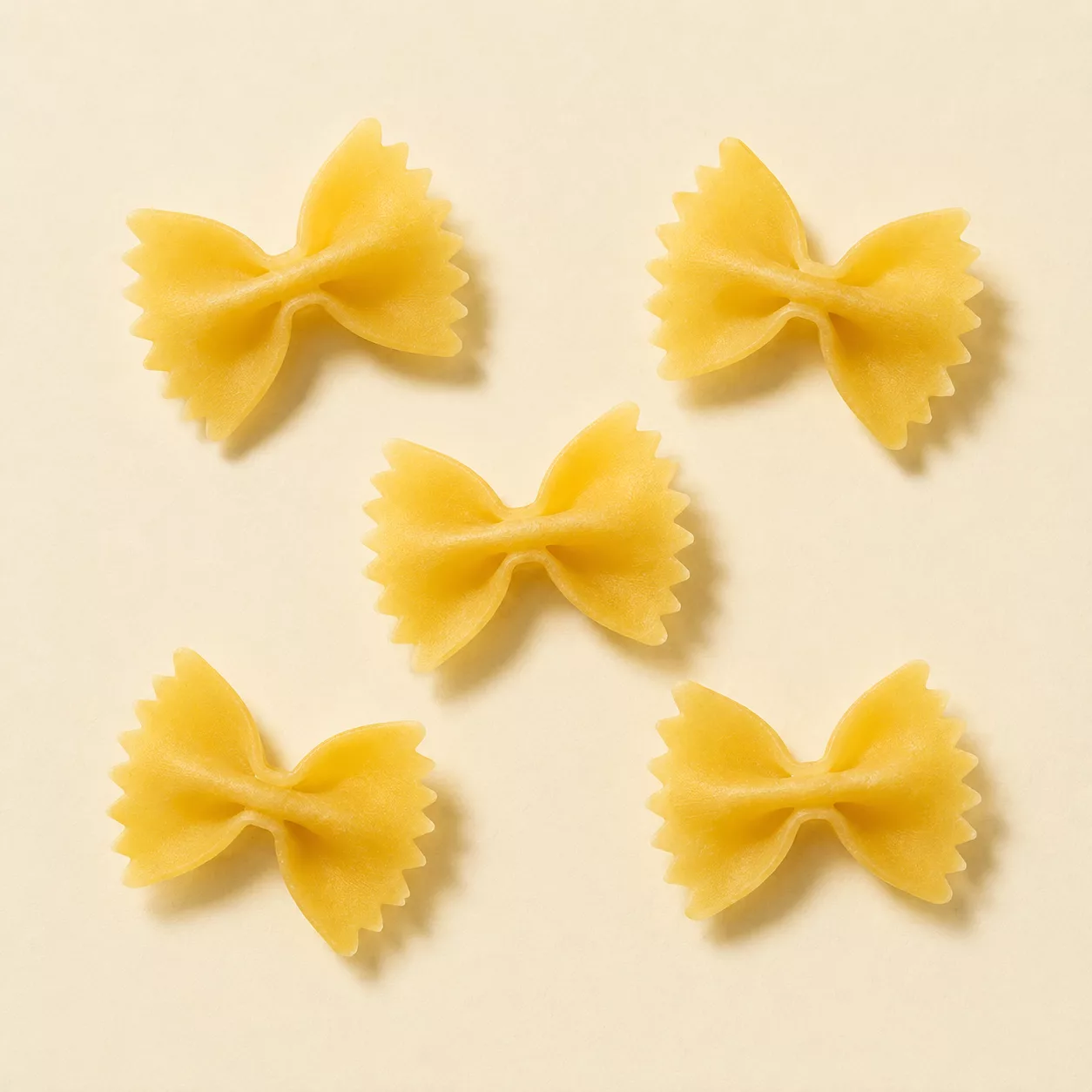
Butterfly-shaped pasta with tender wings, a firm center, and folds that distribute small ingredients through a dish.
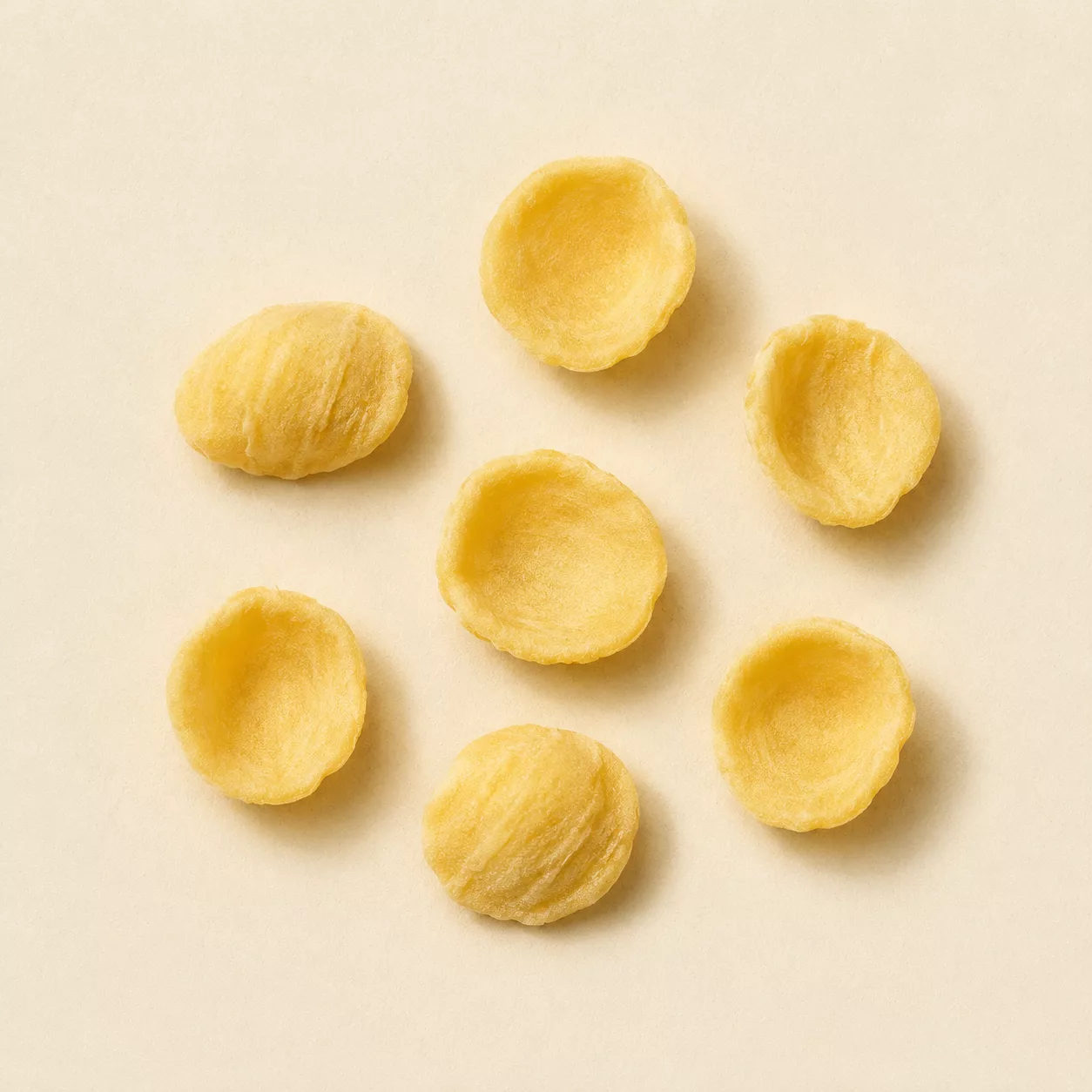
Small “ears” whose shallow cups collect chopped greens, crumbled meat, beans, and textured sauces.
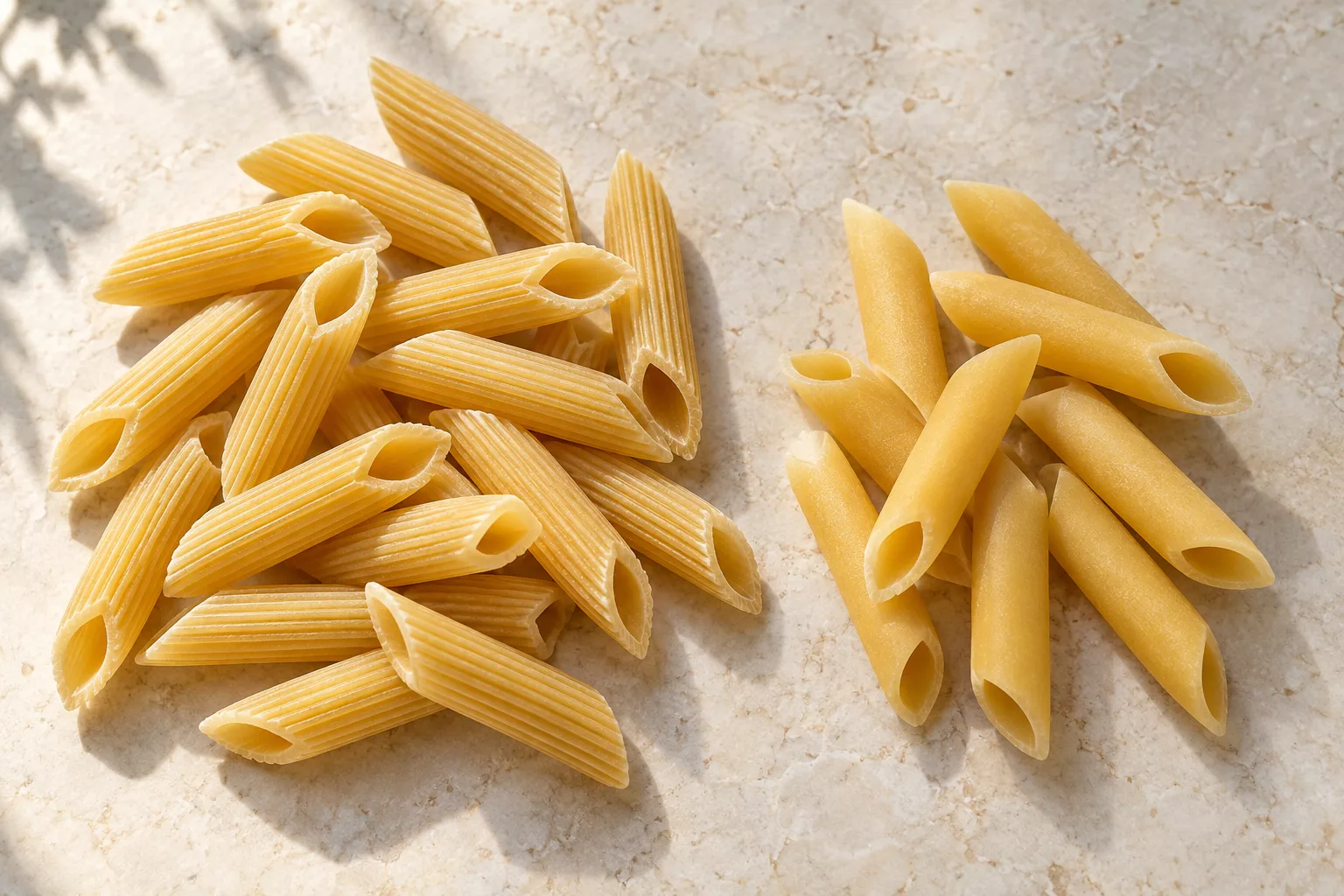
Angled tubes, smooth or ridged, that carry tomato, vegetables and small pieces of sauce in and around each bite.
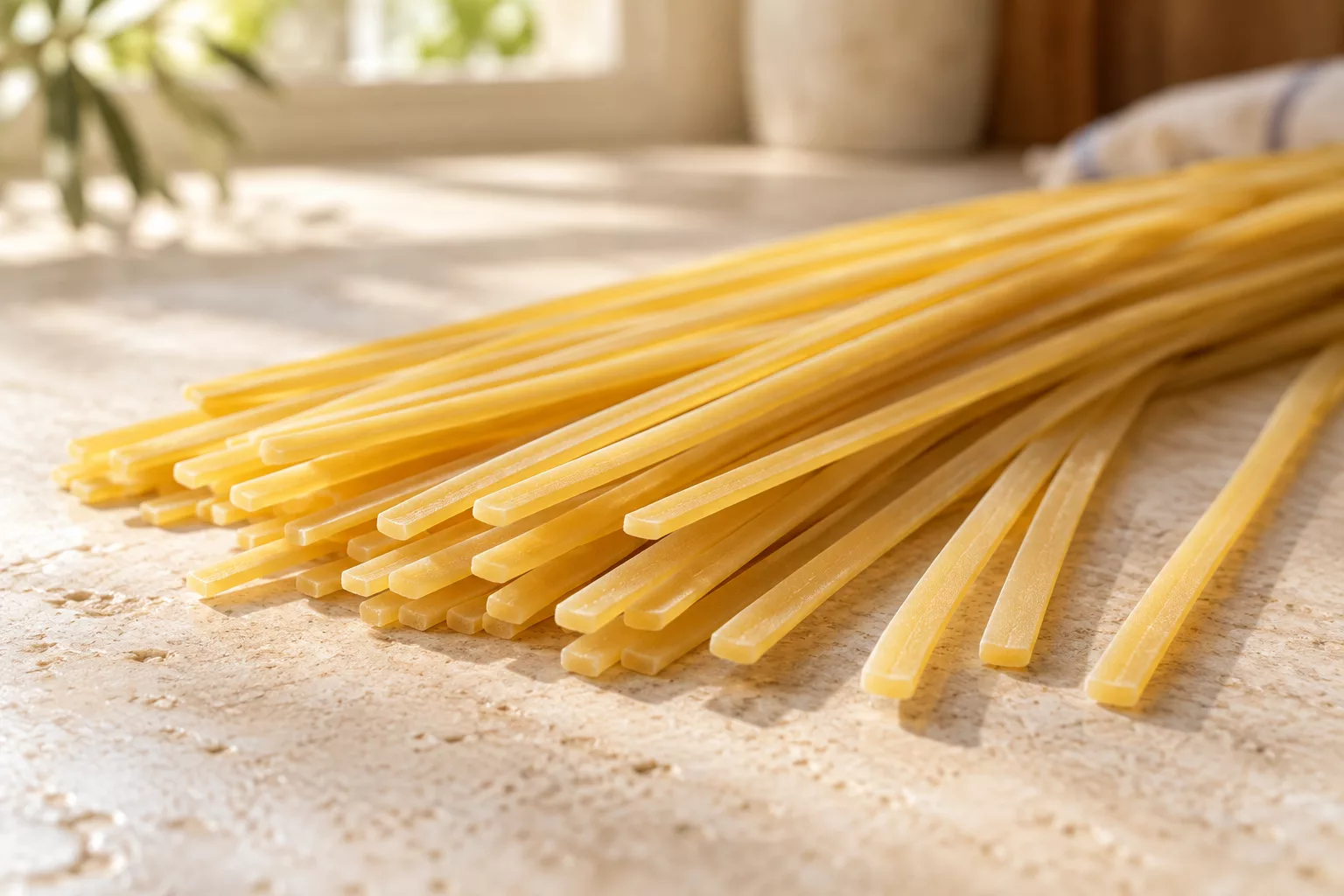
Narrow, flattened strands that make a continuous coating from pesto, seafood juices or a light tomato sauce.
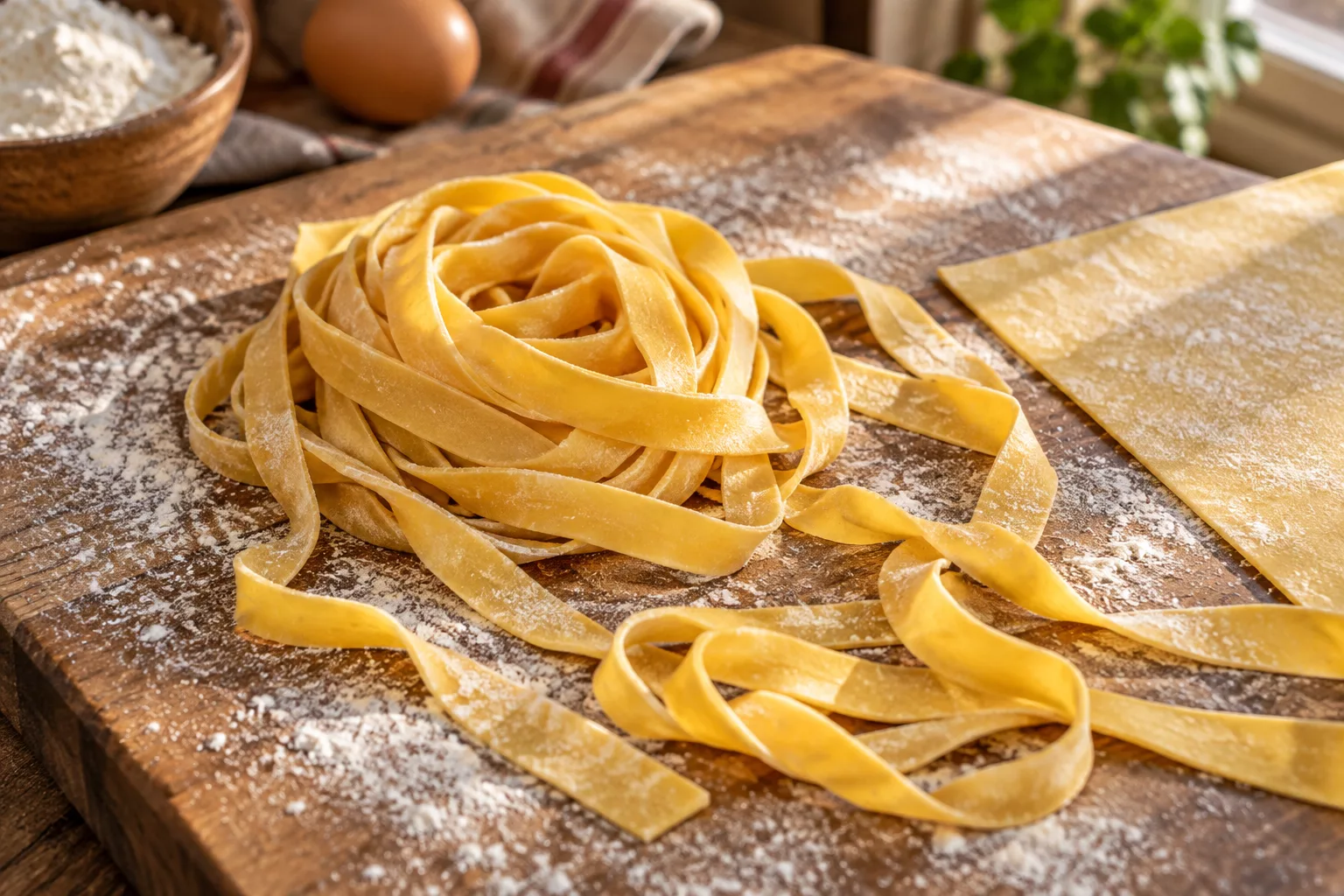
Flat ribbons, often made with egg, whose broad surface carries a finely textured ragù or mushroom sauce.
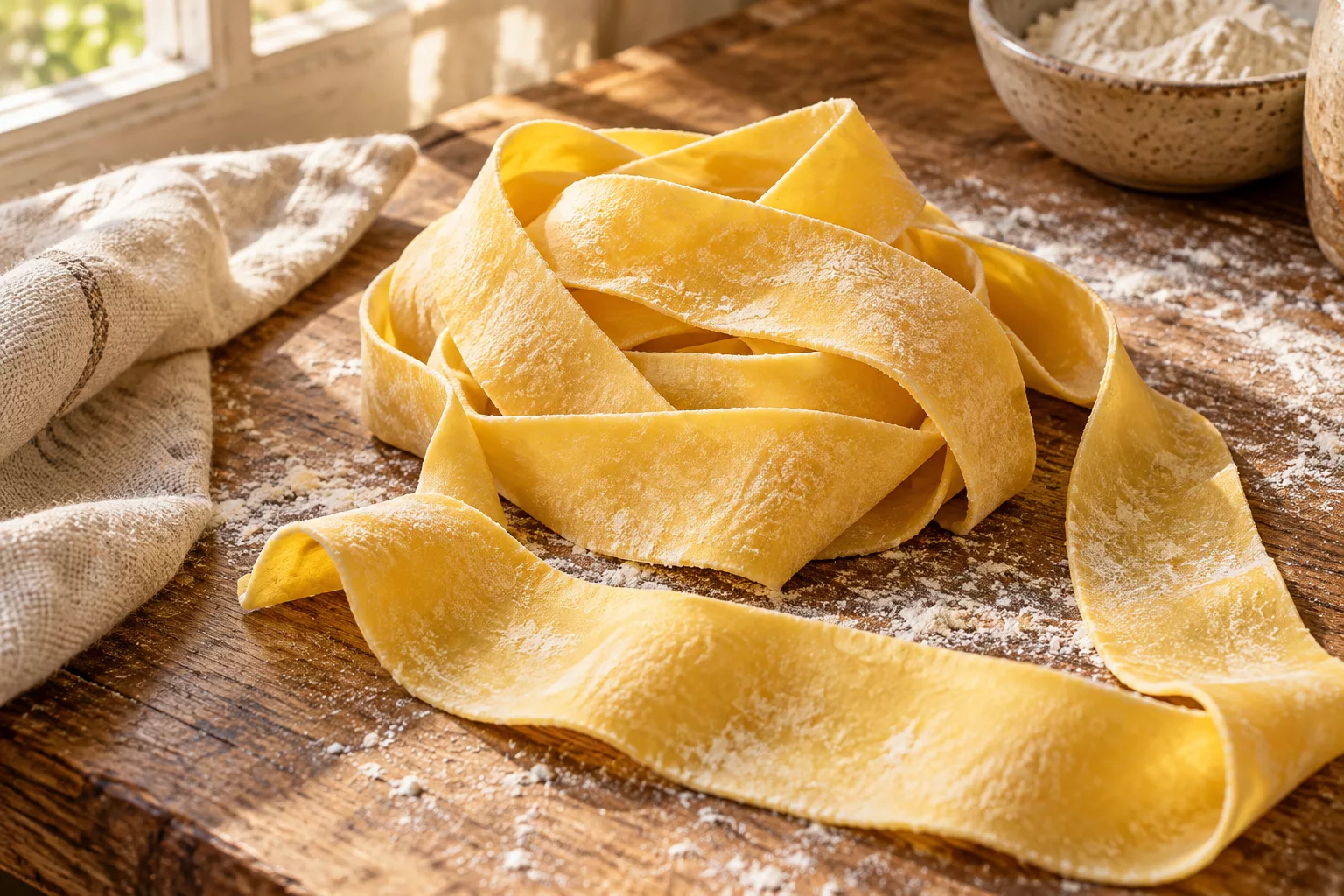
Broad ribbons with a substantial bite that suit tender shreds, mushrooms and generous textured sauces.
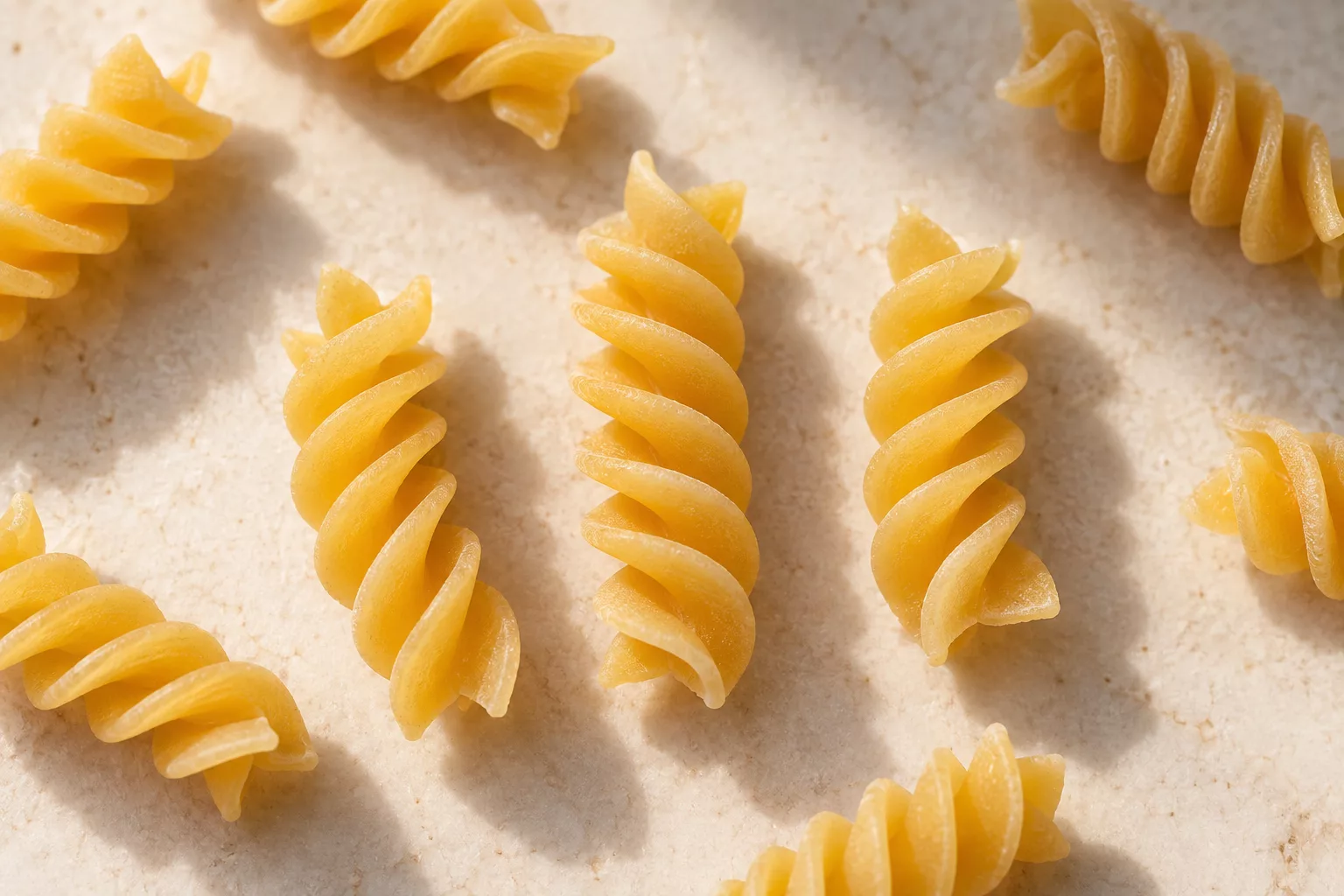
Compact spirals whose turns distribute pesto, finely chopped vegetables and other small ingredients.
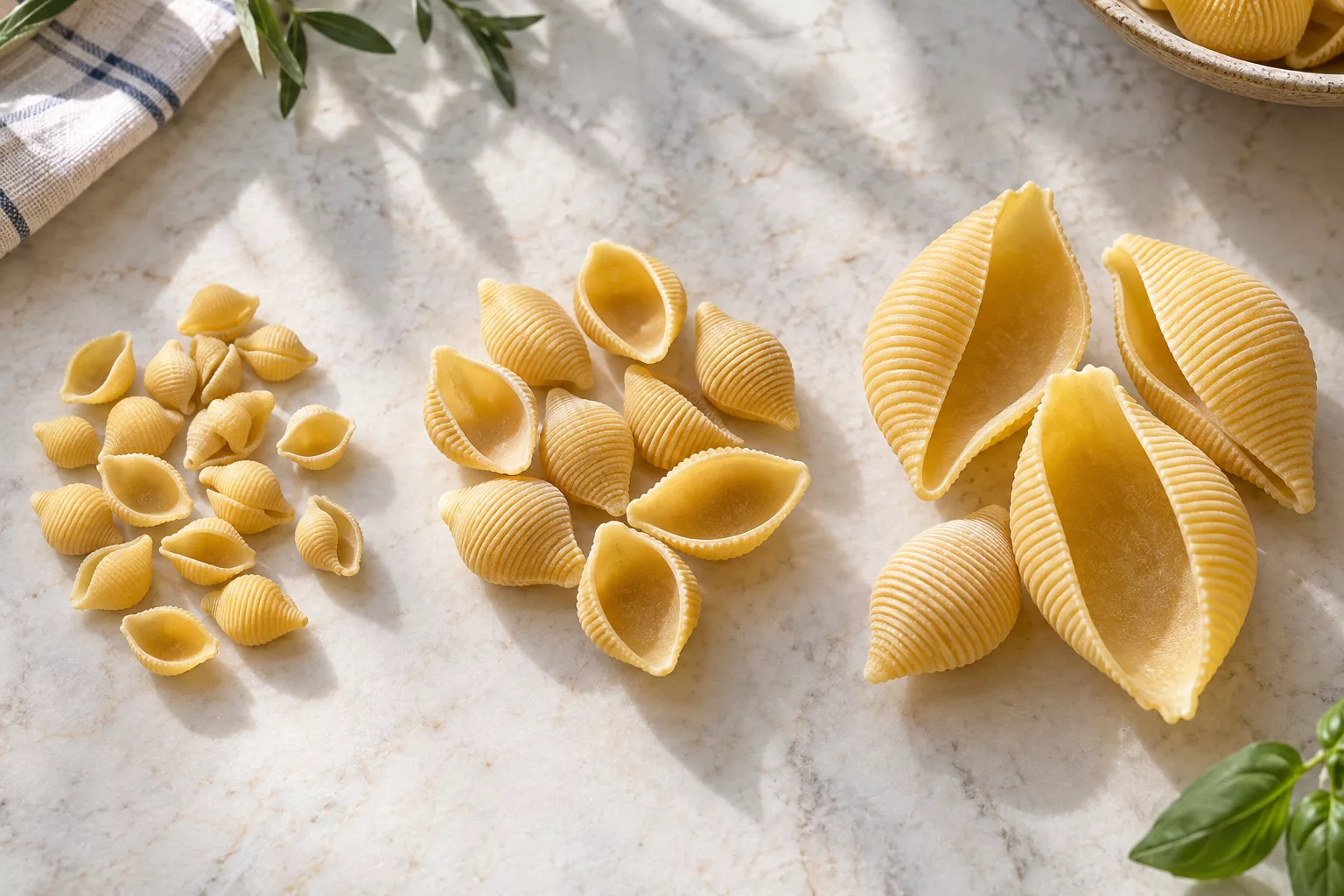
Open shells that catch sauce and small ingredients; choose the size for soup, a saucy bowl or a filled bake.
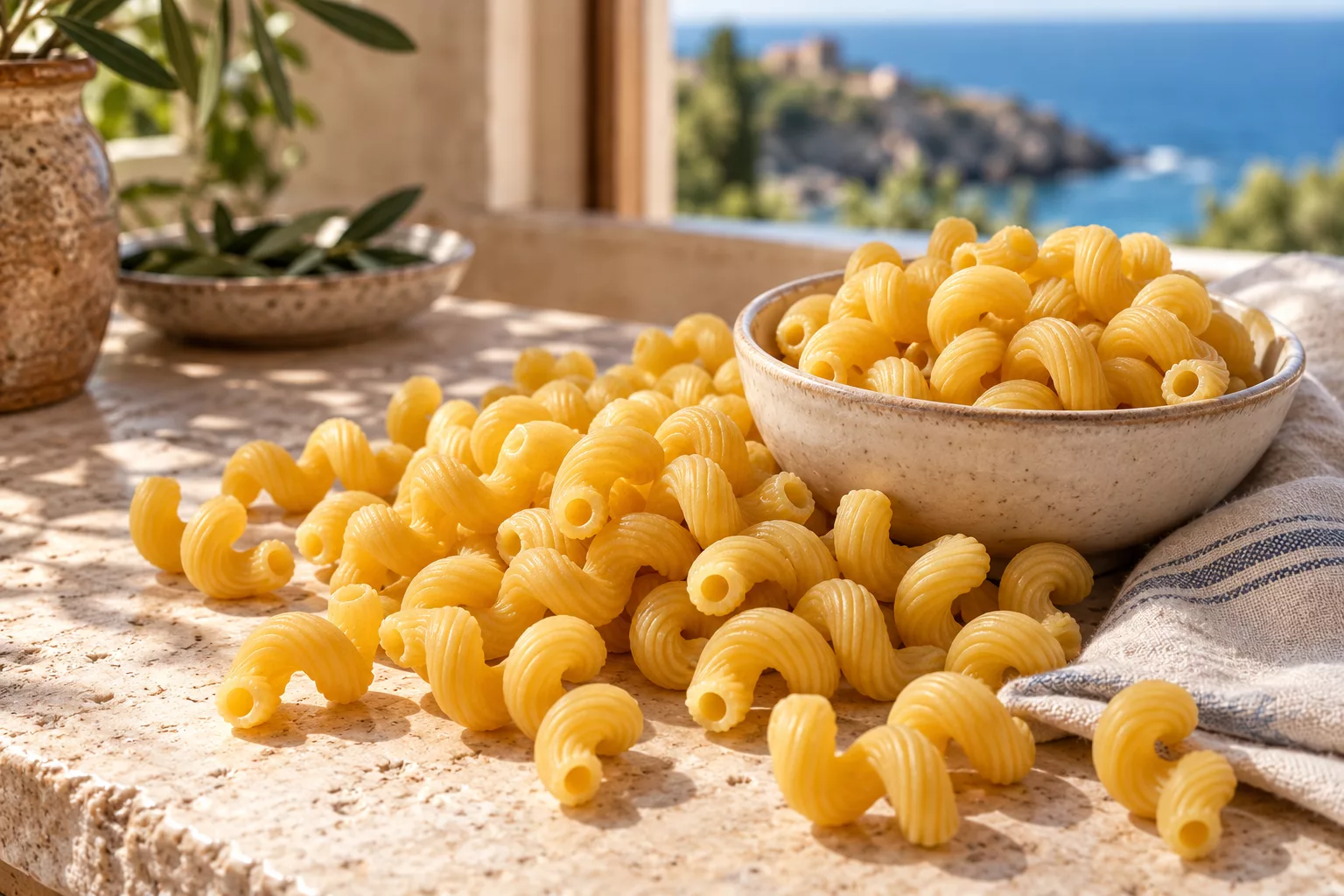
Loose corkscrew tubes that carry a medium-textured coating inside and around each bend.
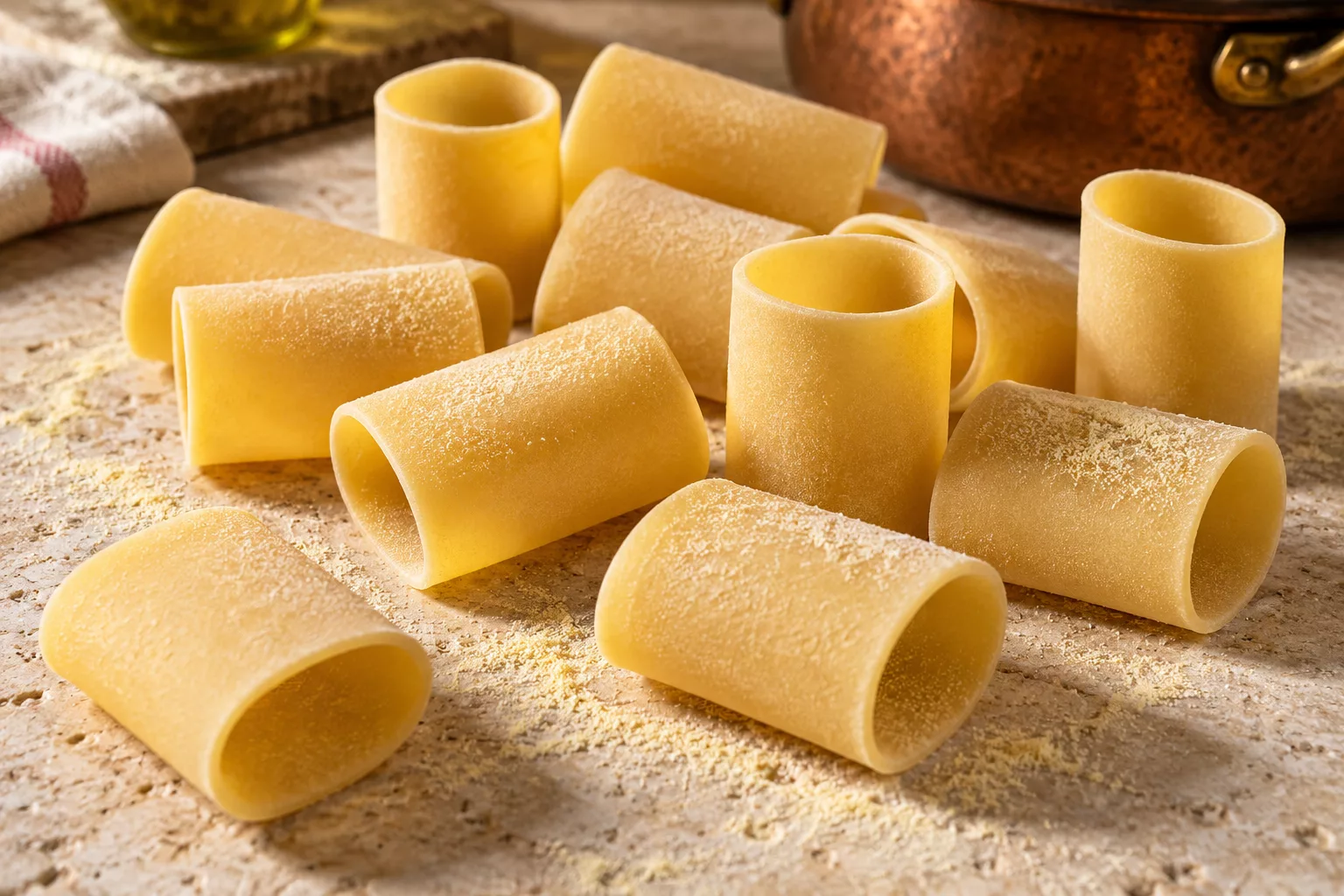
Large straight tubes for moist ragù, seafood and fillings that suit their generous openings.
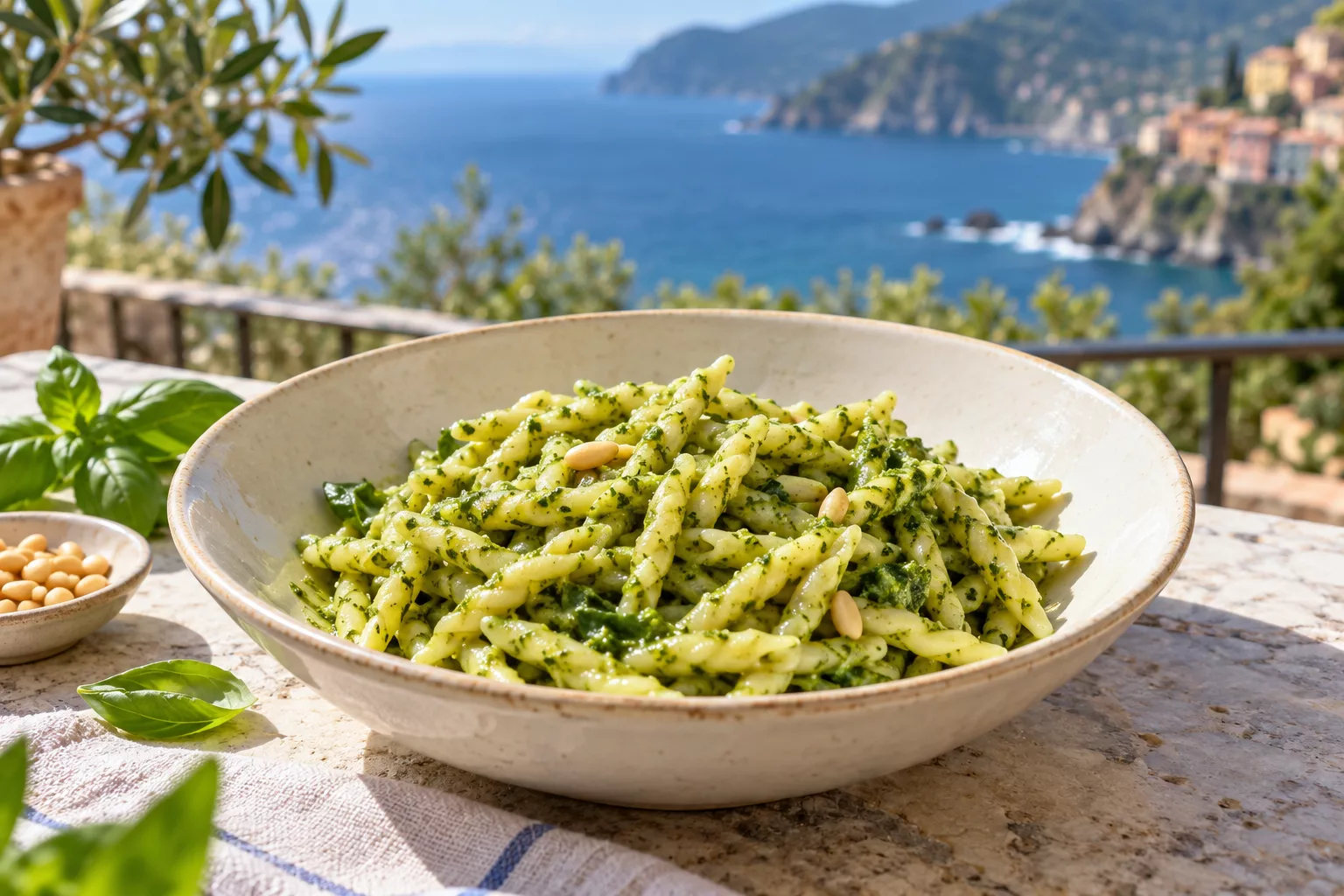
Small Ligurian twists that take an even coating of pesto or finely cut vegetables.
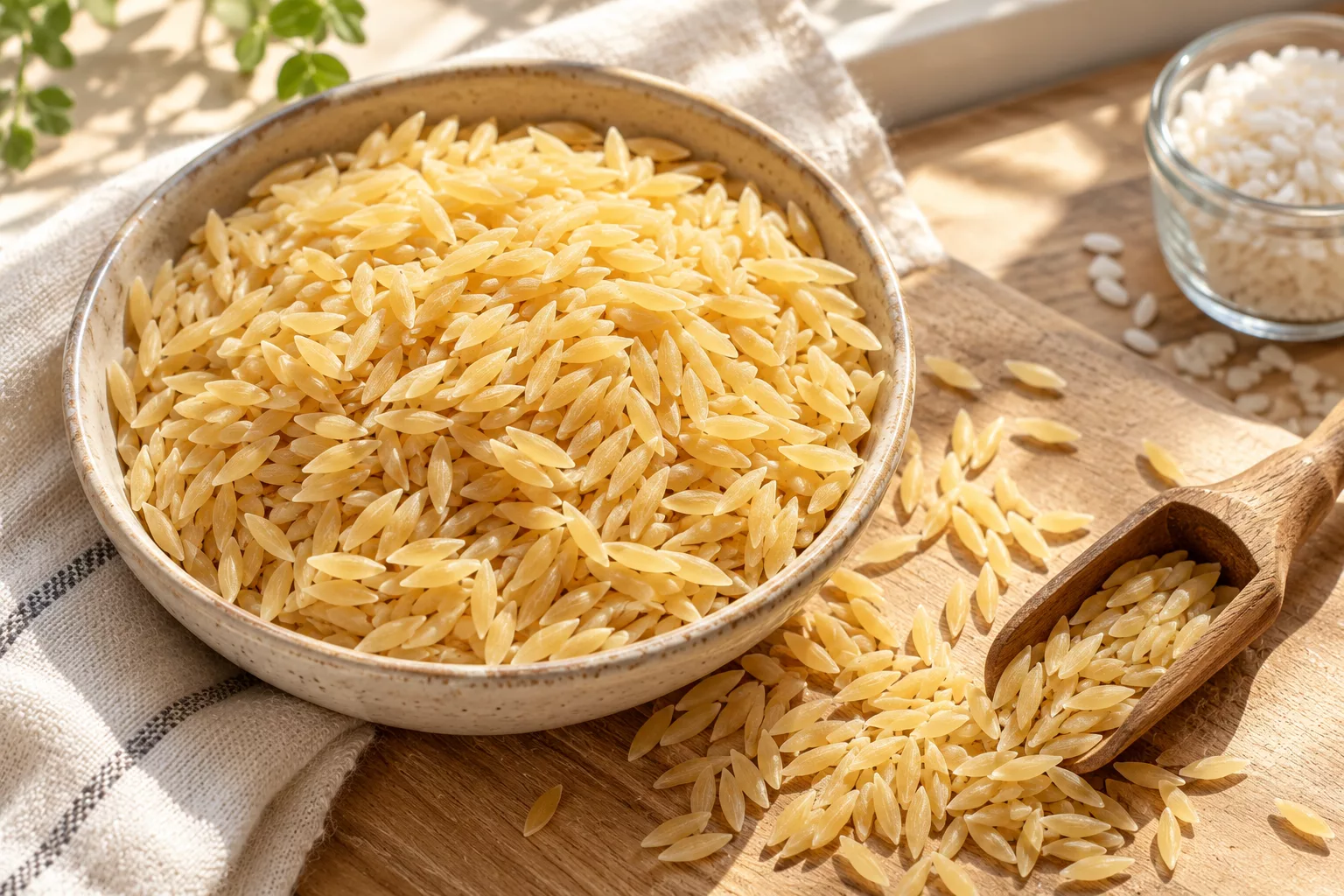
Rice-shaped pasta, also sold as risoni, for soup, spoonable dishes and salads.
Side by side
There is no universally “best” pasta shape. Match its geometry to the texture and movement of the condiment.
Swipe horizontally to compare all columns →
| Shape | Length or form | Solid or hollow | Surface & holding | Best sauce styles | Typical dishes |
|---|---|---|---|---|---|
| Spaghetti | Long, round strand | Solid | Smooth continuous surface; relies on an even coating | Fluid tomato, oil emulsions, egg and seafood | Pomodoro, aglio e olio, carbonara, alle vongole |
| Bucatini | Long, thick strand | Narrow central channel | Substantial exterior and resilient walls | Assertive tomato, guanciale and cheese emulsions | Bucatini all’amatriciana, alla gricia |
| Rigatoni | Short, wide tube | Large hollow center | Ridges grip sauce; tube captures meat and vegetables | Chunky ragù, baked, thick tomato and cream | Rigatoni with ragù, amatriciana, pasta al forno |
| Farfalle | Pinched butterfly | Solid, folded center | Broad wings and folds distribute small ingredients | Pesto, light cream, vegetable and vinaigrette | Farfalle with pesto, peas or salmon; pasta salad |
| Orecchiette | Small concave disc | Cup-like hollow | Rough dome and thick rim catch chopped ingredients | Greens, crumbled sausage, vegetables and legumes | Orecchiette con cime di rapa |
| Penne | Short angled tube | Hollow | Smooth or ridged exterior; open ends take in sauce | Tomato, vegetables and medium-textured sauces | Penne all’arrabbiata, baked penne |
| Linguine | Long narrow flat strand | Solid | Broad faces carry a continuous light coating | Pesto, seafood juices and light tomato | Linguine with pesto or seafood |
| Tagliatelle | Long flat ribbon | Solid | Ribbon surface carries fine meat and mushroom sauces | Finely textured ragù and mushrooms | Tagliatelle al ragù |
| Pappardelle | Long broad ribbon | Solid | Wide folds support substantial sauce and tender shreds | Slow-cooked ragù and mushrooms | Pappardelle with ragù |
| Fusilli | Short twisted spiral | Usually solid | Turns hold fine ingredients and textured coatings | Pesto, vegetables and pasta salads | Fusilli with pesto |
| Conchiglie | Open curved shell | Concave cup | Shells catch sauce inside; many are ridged outside | Small vegetables, tomato and baked fillings | Shells with peas; filled conchiglioni |
| Cavatappi | Short curled tube | Hollow | Bends and opening carry medium-textured coatings | Tomato, small vegetables and cheese sauces | Saucy bowls and baked pasta |
| Paccheri | Large straight tube | Wide hollow | Broad opening accepts sauce or a filling | Ragù, seafood and substantial tomato | Paccheri with seafood; filled bakes |
| Trofie | Small hand-style twist | Solid | Fine dressing clings around each irregular turn | Pesto and finely cut vegetables | Trofie with pesto |
| Orzo | Small rice-shaped piece | Solid | Disperses evenly through broth and spoonable dishes | Soup, light tomato and salad dressing | Orzo with vegetables |
Practical guide
Start with the largest ingredient in the sauce, then consider how thick the coating is and how much bite you want from the pasta itself.
Choose long strands such as spaghetti. Tomato, oil, egg, cheese, and shellfish liquids can coat them continuously.
Use thicker bucatini when guanciale, pecorino, tomato, or pepper needs a more substantial bite.
Pick rigatoni. Its ridges and wide tube hold pieces and remain resilient in dense sauces or the oven.
Use folds or cups: farfalle distributes peas and diced vegetables, while orecchiette scoops chopped greens and crumbled meat.